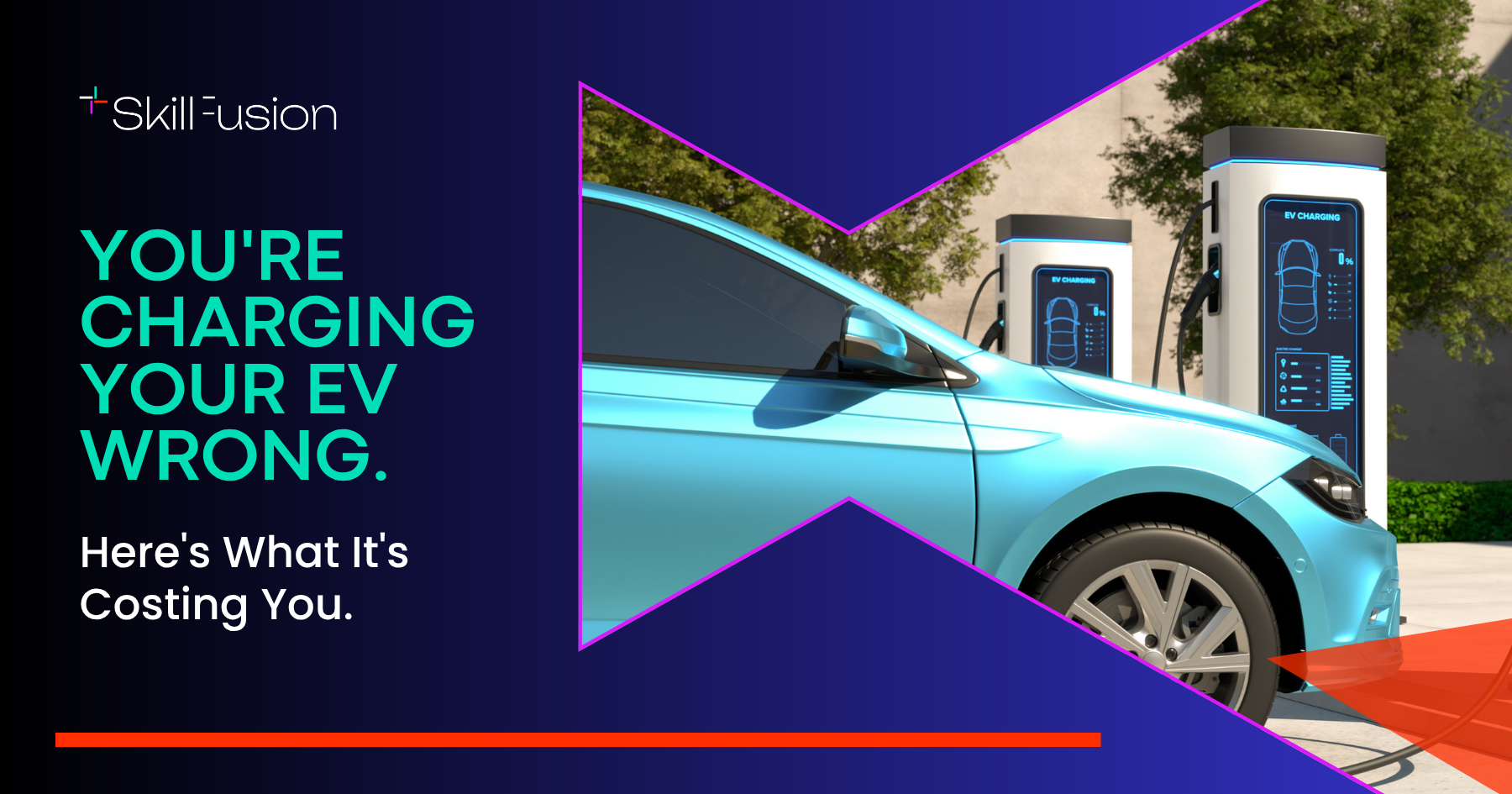
Most EV owners are making the same mistakes and quietly paying for them in degraded batteries, inflated electricity bills, and premature repairs.
The technology in your vehicle is sophisticated. Your charging habits need to match it.
Here are the ten most expensive charging mistakes and exactly how to stop making them.
1. Charging to 100% Every Night
It feels responsible. It’s not. Consistently topping off to full accelerates lithium-ion battery degradation faster than almost anything else.
The fix: Keep your daily charge between 20–80%. Save 100% for road trips only.
2. Over-Relying on DC Fast Chargers
Fast chargers are a road trip tool, not a daily driver. The heat they generate stresses battery cells over time and that stress compounds.
The fix: Level 2 home charging is your baseline. Fast charging is the exception.
3. Running It to Zero
Draining your battery below 20% regularly doesn’t just leave you stranded, it degrades cell chemistry with every cycle.
The fix: Treat 20% like empty. Recharge before you hit it.
4. Charging at Peak Hours
Your utility company charges more during high-demand periods and most people plug in the moment they get home. That’s peak time.
The fix: Schedule overnight charging. Most EVs and home chargers have built-in timers. Use them.
5. Ignoring Temperature
Extreme heat or cold doesn’t just affect range, it directly impacts how efficiently your battery charges and how long it lasts.
The fix: Use preconditioning before charging in cold weather. Park covered in summer. This isn’t optional, it’s maintenance.
6. Using Damaged Equipment
A frayed cable or worn connector is not just inefficient, it’s a liability. Degraded equipment creates resistance, generates heat, and creates safety hazards.
The fix: Inspect your charging cable regularly. Replace it the moment you see wear. Use certified equipment only.
7. Installing a Home Charger and Forgetting It
Your EVSE isn’t a set-it-and-forget-it appliance. Connections loosen. Firmware goes stale. Components wear.
The fix: Schedule periodic inspections. Update firmware when available. A well-maintained charger protects a $40,000+ investment.
8. Paying for Speed Your Car Can’t Use
Not every EV can accept every charger’s maximum output. Paying premium rates for a 350kW station when your vehicle caps at 50kW is money out the window.
The fix: Know your vehicle’s maximum charge acceptance rate before you plug in anywhere.
9. Leaving It Plugged In at Full Charge
Modern battery management systems are smart but they’re not infallible. Sitting at 100% for extended periods still accumulates stress.
The fix: Set a charge limit. Unplug at your target. Let the battery breathe.
10. Winging Long-Distance Charging
Range anxiety is almost always a planning failure, not a technology failure. Emergency fast charging because you didn’t map your route costs time, money, and battery health.
The fix: Plan charging stops before you leave. Build buffer time. Use EV-native navigation that accounts for charge levels, not just distance.
The Bottom Line
The vehicle doesn’t maintain itself and neither does the charging ecosystem behind it.
Understanding these fundamentals isn’t just good ownership practice. For the technicians, fleet managers, and service professionals working in EV infrastructure, this knowledge is the difference between a callback and a client who never leaves.
At SkillFusion, we train the workforce that keeps the electric future running, from EVSE diagnostics and maintenance to the hands-on competencies that protect both the equipment and the people operating it.
The industry is moving fast. The workforce has to move faster.